 CONTACT US
500SPB High Tensile Brass Solid Lubricant Embedded Bearings
Product Overview:
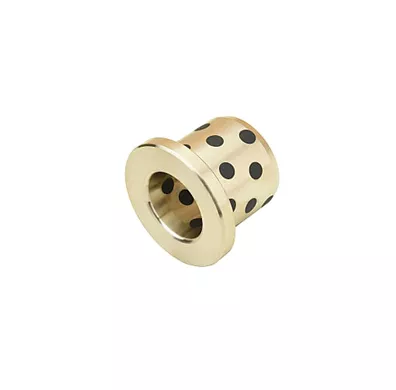
The 500 SPB Series is a high-performance bearing that perfectly integrates the structural strength of a metallic matrix with the self-lubricating properties of solid lubricants. By precision-machining an orderly pattern of cavities into the metal friction surface and embedding a specially formulated solid lubricant (covering approximately 25% to 35% of the area), a stable lubricating film is continuously formed during operation. This technology fundamentally overcomes the limitations of traditional oil-film lubrication in extreme operating conditions.
Core Advantages:
- Suitability for Extreme Environments: Specifically engineered for harsh conditions, including oil-free operation, low-speed/high-load applications, high temperatures, corrosion, and radiation.
- Exceptional Durability: Maintains superior performance even in vacuum, underwater, or chemical solution environments where traditional oil films cannot form.
- Diverse Base Materials: The matrix can be customized using High Tensile Brass, Tin Bronze, or various castings to ensure optimized physical strength according to specific requirements.
- Precision Lubricant Formulations: Utilizes solid lubricants based on natural graphite, artificial graphite, Molybdenum Disulfide (MoS2), or PTFE to meet the specific demands of different media and load capacities.
- Applications:Widely utilized across various industrial and agricultural machinery, including metallurgical rolling equipment, mining machinery, marine and offshore engineering, hydraulic turbines, steam turbines, injection and filling equipment, and precision instruments.
Advantages of Solid Lubricant Bearings Simplified Design & Cost Savings:
Incorporating an oil supply system into a mechanical design is often a labor-intensive and time-consuming process. By utilizing solid lubricant bearings, designers can eliminate the need for external lubrication devices, thereby saving on equipment costs. Furthermore, solid lubricant bearings can be customized into various shapes to meet the unique requirements of specific applications. The use of these bearings significantly reduces costs associated with machinery maintenance and lubricants.
Exceptional Self-Lubricating Mechanism Because the coefficient of linear expansion of the solid lubricant is greater than that of the metallic base, a lubricating film is automatically transferred to the mating surface as the bearing begins operation, effectively achieving self-lubrication. As a result, solid lubricant bearings are ideal for locations where applying oil or grease is difficult or strictly prohibited. They deliver excellent lubrication performance, even under low-speed and high-load conditions.
Clean Environment & Maintenance-Free Operation Traditional mechanical designs require frequent lubrication and maintenance at regular intervals, which involves checking oil gauges and ensuring oil supply systems are unobstructed. This periodic lubrication often causes contamination to the machine body and its surrounding environment, leading to increased maintenance costs. By achieving true self-lubrication, these bearings not only ensure a clean and tidy environment but also drastically reduce the ongoing costs associated with lubricating oils.
Design Principles and Material Properties of Solid Lubricant Bearings Synergy of Materials Solid lubricant bearings feature a centrifugally cast high-strength brass base that provides exceptional load-bearing capacity, combined with a specially formulated graphite lubricant that delivers excellent self-lubricating properties. By integrating the respective advantages of both materials, these bearings exhibit superior performance, even under conditions of high loads and low rotational speeds.
Principle of Lubricant Arrangement The fundamental principle behind the arrangement of the solid lubricant is to ensure that all areas of the mating surface are consistently lubricated during operation. Therefore, the layout and distribution of the solid lubricant must be strategically determined based on the specific direction of motion of the mating component.
Precautions for Use:
Incorporating an oil supply system into a mechanical design is often a labor-intensive and time-consuming process. By utilizing solid lubricant bearings, designers can eliminate the need for external lubrication devices, thereby saving on equipment costs. Furthermore, solid lubricant bearings can be customized into various shapes to meet the unique requirements of specific applications. The use of these bearings significantly reduces costs associated with machinery maintenance and lubricants.
Exceptional Self-Lubricating Mechanism Because the coefficient of linear expansion of the solid lubricant is greater than that of the metallic base, a lubricating film is automatically transferred to the mating surface as the bearing begins operation, effectively achieving self-lubrication. As a result, solid lubricant bearings are ideal for locations where applying oil or grease is difficult or strictly prohibited. They deliver excellent lubrication performance, even under low-speed and high-load conditions.
Clean Environment & Maintenance-Free Operation Traditional mechanical designs require frequent lubrication and maintenance at regular intervals, which involves checking oil gauges and ensuring oil supply systems are unobstructed. This periodic lubrication often causes contamination to the machine body and its surrounding environment, leading to increased maintenance costs. By achieving true self-lubrication, these bearings not only ensure a clean and tidy environment but also drastically reduce the ongoing costs associated with lubricating oils.
Design Principles and Material Properties of Solid Lubricant Bearings Synergy of Materials Solid lubricant bearings feature a centrifugally cast high-strength brass base that provides exceptional load-bearing capacity, combined with a specially formulated graphite lubricant that delivers excellent self-lubricating properties. By integrating the respective advantages of both materials, these bearings exhibit superior performance, even under conditions of high loads and low rotational speeds.
Principle of Lubricant Arrangement The fundamental principle behind the arrangement of the solid lubricant is to ensure that all areas of the mating surface are consistently lubricated during operation. Therefore, the layout and distribution of the solid lubricant must be strategically determined based on the specific direction of motion of the mating component.
Precautions for Use:
- Whenever possible, utilize standard specifications and dimensions during the design phase.
- Prior to assembly, carefully inspect the surfaces to ensure they are completely free of foreign matter or contaminants.
- After operation, the sliding surface may appear black or dark gray due to the lubricating transfer film formed by the solid lubricant. Do not wipe or clean this off; continue to use it normally.
- Applying a small amount of lubricating oil to the mating surface before assembly can shorten the run-in (break-in) period and facilitate smoother initial operation.
- During installation, the bearing should be pressed in gradually and evenly. Do not strike or hammer the bearing, as this may cause damage or deformation.
- During the design process, select the most appropriate materials for different components and application areas to maximize mechanical performance and extend service life.
- or applications involving high loads and reciprocating motions, it is recommended to securely fasten the bearing using screws.
- When operating in water, seawater, or marine environments, it is highly recommended to use stainless steel or hard-chrome plated mating shafts.